ORB-to-VWAP Mean Reversion Threshold
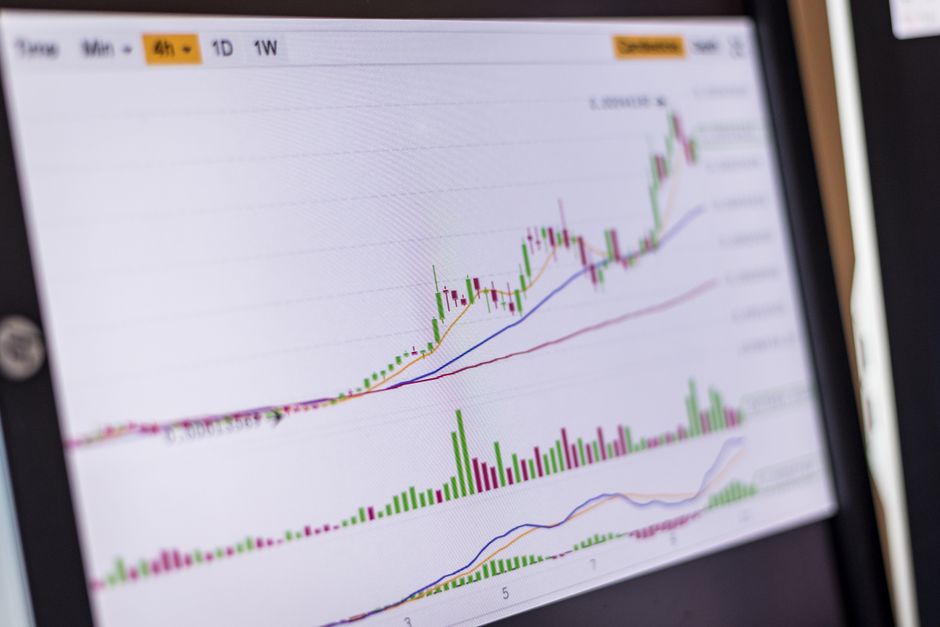
The sharp crack of a gavel hitting wood signals the start of the session, and every teardown orb trading timeframes centralillinoisna has logged shows the same thing regarding price divergence during the opening range breakout phase. This mechanical disconnect between price and the volume weighted average price dictates the limits of a trend. A single intraday move often stretches too far from the mean before the first hour concludes. Measuring this distance prevents chasing a move that has already exhausted its immediate liquidity.
Calculating the Deviation Threshold
The math starts with the volume weighted average price established since the cash open. A trader calculates the standard deviation of the price relative to the VWAP over a specific timeframe. If the current price sits more than two standard deviations away from the mean, the extension is statistically overextended. This calculation does not rely on emotion. It relies on the distance between the current price and the VWAP. A large move during the 15 minute range often creates a vacuum that pulls price back toward the center. The measurement must be recalculated every few minutes to account for shifting volume weight.
The Role of the Opening Range

The opening range provides the initial boundaries for volatility. A 5 minute candle or a 30 minute candle defines the initial volatility regime. When price moves rapidly away from the VWAP during the first fifteen minutes, the probability of a mean reversion event increases. The distance from the VWAP acts as a rubber band. The further the price pushes away from the VWAP during regular trading hours, the higher the likelihood of a snap back. This is not a prediction of direction, but a measurement of extension. If the price is too far from the mean, the risk of entering a new trend position is high.
Execution Logic and Volume
Volume confirms the strength of the extension. High volume at a price extreme far from the VWAP suggests a climax. This often happens shortly after the market open. A 60 minute range that shows declining volume as price moves further from the VWAP indicates a lack of conviction. The mean reversion threshold is reached when the price velocity slows while the distance from the VWAP reaches a mathematical peak. Data shows that these extremes often lead to a test of the VWAP itself. The mechanical rule is simple. Do not buy an extension that exceeds the calculated standard deviation threshold.
Monitoring the Session High
The session high often occurs when the price reaches its maximum deviation. Tracking the distance from the VWAP at the moment the session high is set provides a historical baseline. Comparing the current extension to previous sessions allows for a calibrated view of volatility. A small sample overstates the edge, so the data must include multiple sessions of regular trading hours. The goal is to identify the exact point where the price is no longer supported by the volume weighted average price and becomes a candidate for a reversion.