ORB Trading Timeframes

Treats the length of the opening range as the variable it actually is. Five, fifteen, thirty and sixty minute windows compared directly, and why stretching the period buys confirmation rather than safety.
The Variable Everyone Inherits Without Choosing
Ask a room of breakout traders how long the opening range should be and you will get a number rather than a reason. Most people inherited the length from whichever source taught them the approach and never revisited it. Five, fifteen, thirty and sixty minute ranges are all in common use, and they are not variations on one setup. They produce different quantities of signals, at different times of the morning, with different stop distances attached. Treating the length as settled is the easiest way to run a strategy you have never actually examined.
Short Ranges Trade Certainty for Position
A five minute range hands you a decision almost immediately. The first burst of order flow sets a high and a low, and a break of either is available while the session is still young. What you gain is position: entries come early, stops sit close, and a trending day is caught near its beginning. What you give up is confirmation. Five minutes is rarely long enough for a level to be tested, so the edges you are trading against were often touched exactly once. Many of those breaks are the burst continuing rather than anything new.
Long Ranges Trade Position for Confirmation
Extend the period and the picture inverts. A thirty or sixty minute range has usually seen both edges challenged, so a break carries more meaning. It also arrives late. On a day that trends from the open, a large part of the move can be gone before the range even closes, and the stop at the opposite edge is now a long way off. Confirmation is not free, and it is not the same thing as safety. You pay for it in entry price and in risk per trade, whether or not you account for it.
The Instrument Has an Opinion
Range length is not an abstract preference. It interacts with how quickly the thing in front of you actually moves. Something that completes most of its typical daily travel inside the first hour has a very different relationship to a sixty minute range than something that grinds along all session. The same clock setting produces a meaningful level on one and a range that has already swallowed the day's movement on the other. Picking a length without reference to the instrument's own pace is picking arbitrarily and then blaming the strategy.
Comparing the Settings Side by Side
The articles collected here stay on the clock. They compare short and long periods directly, examine the widespread belief that a longer range is the conservative choice, and work through how to match a period to an instrument's pace. Entries, targets and position sizing belong to other discussions; the question here is narrower and comes first. Before any of those decisions can be judged, the length of the window they are measured against has to be a choice rather than an inheritance.
Latest Guides
Five Minutes Against Thirty and What Actually Changes
Two traders can run an identical breakout rule, on the same instrument, on the same morning, and finish with unrelated results because one measured the opening range over five minutes and the other over thirty. Nothing else differed. The clock is not a cosmetic setting sitting on top of the strategy. It decides when the signal arrives, how far the stop sits, how many opportunities the session offers, and what a break of an edge actually represents.
What the Extra Minutes Buy
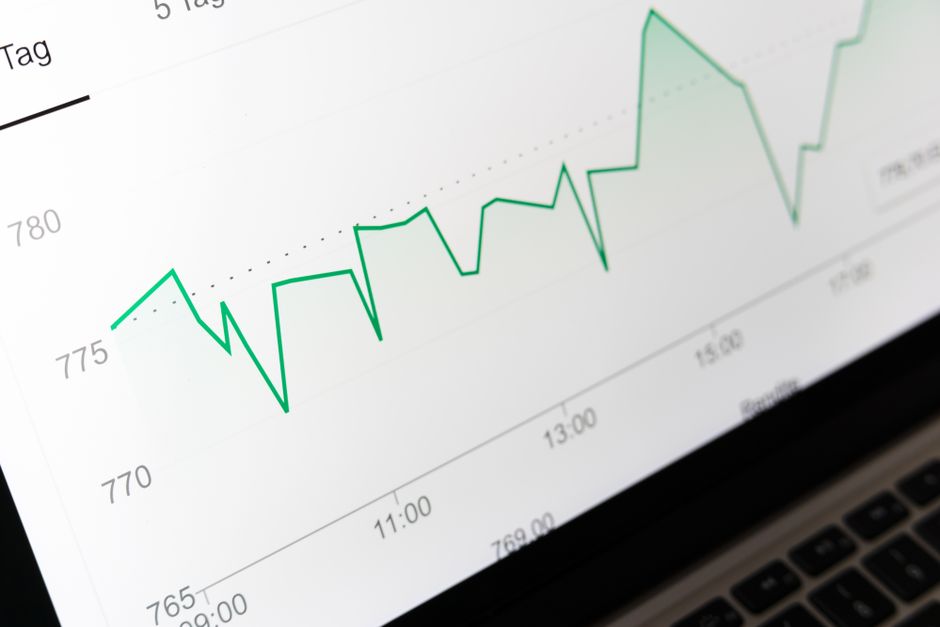
A five minute range captures the first burst of activity and very little else. Orders queued overnight arrive, the initial imbalance clears, and the period closes before most participants have finished reacting to it. A thirty minute range covers the burst and the response to it. By the time it ends, the early imbalance has usually been tested at least once, sometimes absorbed, occasionally reversed outright.
That is the honest description of what twenty five additional minutes purchase: information about whether the first move held. It is genuine information and it is not trivial. It is also information paid for in the currency that matters most at the open, which is your position within the move.
The Signal Arrives at a Different Hour

A five minute range can produce a tradeable break within the first several minutes of the session. A thirty minute range cannot produce one until half an hour has gone, by which point the character of the day has often already been settled.
On sessions that trend from the first print, the thirty minute trader enters with a meaningful part of the move behind them, and the distance left to a sensible target is correspondingly shorter. On sessions that chop early and resolve later, the same trader enters roughly when the resolution begins, while the five minute trader has already taken two losses inside the noise. Neither length is better in the abstract. They are exposed to different kinds of days, and the mix of days you get is not something you control.
Stop Distance Is Set by the Clock
If the stop goes at the opposite edge, the period length dictates risk per trade before you have made any decision about it. Longer periods produce taller ranges as a matter of construction, since price simply has more time to travel. So the thirty minute trader is carrying a wider stop by default, and the five minute trader a narrower one.
The narrower stop is not automatically the better deal. It sits inside the zone where the early burst is still resolving, which is exactly where price is most likely to swing back through it without the day's direction having changed at all. The wider stop survives that noise and costs more when it is finally hit. What you are choosing between is many small losses and fewer larger ones, and the two feel completely different to sit through even when they arrive at a similar place.
Frequency Changes the Shape of the Record
Short periods generate more signals. On an instrument that offers one clean break per day on a thirty minute range, a five minute range might offer a break, a failure, and a second break in the opposite direction. More signals means more chances to be right and a faster accumulation of evidence about whether the rule works.
It also means more commissions, more spread paid, more decisions made under time pressure, and a much greater opportunity for a rule to be quietly abandoned partway through a bad morning. A longer period produces a sparse record that takes months to say anything, but each entry in it was made with more deliberation.
Comparing Them Without Fooling Yourself
The comparison that actually settles the question is unglamorous. Log both lengths on the same sessions, on the same instrument, without trading the second one, and let the sample build. Most people skip this because it is slow and because the answer arrives long after they have already committed to a preference.
Be careful about what the comparison can tell you. A result from one instrument over one stretch of market conditions is not a general finding about five minutes against thirty. It is a finding about that instrument during that stretch. When conditions change, and particularly when the pace of the instrument changes, the comparison is worth running again rather than treated as a fact you already established.

Matching Range Length to How Fast the Instrument Moves
A period length that works well on one instrument can be close to useless on another, and the reason is not mysterious. Instruments move at different speeds. A window of fixed clock time captures a different proportion of the day's activity depending on how much activity there is to capture, so the same setting produces a tight, informative range in one place and an exhausted, oversized one somewhere else.
Pace Is the Thing Being Measured
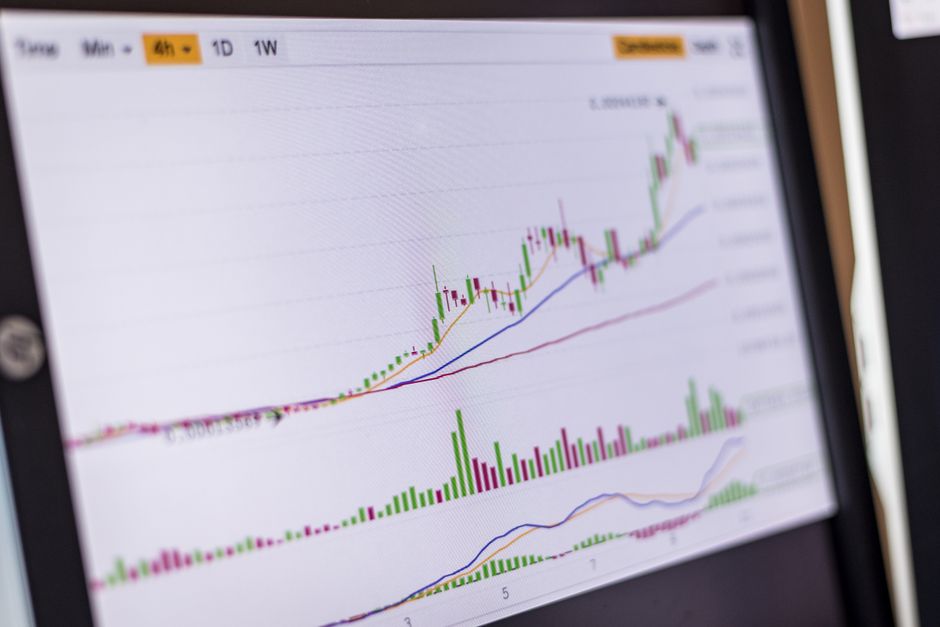
Think of the opening period as a sampling window rather than a duration. What you want from it is a level built from enough participation to mean something, without having consumed so much of the day's expected travel that there is nothing left to trade toward.
Two instruments can both produce a satisfying looking range in thirty minutes while being in completely different situations. On the faster one, that range may already span most of what the session will offer. On the slower one, it may represent a small early sample of a move that develops for hours. The chart looks similar in both cases. The trade behind it does not.
Judging Pace Without a Formula

The comparison worth making is between the height of the opening range and the instrument's typical full session travel. You do not need a precise figure. Watching a few weeks of sessions and forming a rough sense of whether the opening period usually accounts for a small slice, a meaningful chunk, or the bulk of the day is enough to guide the setting.
If the opening period routinely swallows most of the day's movement, the window is too long for that instrument and shortening it puts the level back into useful territory. If the range is consistently so shallow that it is broken and rebroken on ordinary drift, the window is too short and the level it produces is not a level at all.
Liquidity and Structure Matter as Much as Speed
Pace is the headline variable but it is not the only one. An instrument with thin participation in the first minutes produces early prints that reflect a handful of orders rather than genuine agreement, and a very short window on that instrument is measuring almost nothing. Extending the period is less about confirmation there and more about waiting for enough participants to arrive that the high and the low mean something.
Session structure is a second consideration. Some instruments have a related market that opens later, and activity arrives in a step rather than smoothly. A period that ends just before that step measures a quiet stretch and then hands you a level immediately before conditions change. A period that spans the step measures both regimes at once. Neither is ideal, and knowing which one your setting produces is more useful than knowing which is theoretically preferable.
Pace Is Not Fixed
The most common mistake after calibrating is treating the answer as permanent. Instruments speed up and slow down across weeks and months. A setting chosen during an active stretch will produce ranges that are too shallow to be meaningful once conditions quieten, and a setting chosen in a quiet stretch will produce ranges that eat the whole day when activity returns.
This does not mean adjusting constantly, which is its own failure. It means revisiting the question on a slow schedule, perhaps when a season of results is being reviewed anyway, and asking whether the opening period is still taking a sensible bite out of the day. A drifting relationship between range height and daily travel is the signal to look, and it is visible without any calculation once you are in the habit of noticing it.
Fitting the Length to the Instrument You Actually Trade
Trading several instruments with one period length is convenient and it is also a decision. It says that the convenience of a single routine outweighs the mismatch on whichever instruments the setting fits worst. That can be a reasonable trade, particularly for someone watching several markets at once, but it should be an acknowledged one rather than an accident.
The alternative is a small table of lengths, one per instrument, arrived at slowly and left alone between reviews. It is less tidy and it removes the temptation to explain away a poor stretch on one market with a setting that was only ever suited to another.

Why a Longer Opening Range Is Not a Safer One
When a short opening range produces a run of losses, the usual response is to lengthen it. The reasoning feels sound: more time means more information, fewer signals, and less chance of being caught by noise. Something about a sixty minute range sounds careful in a way that a five minute range does not. The intuition is not baseless, but it describes only one of the things that changes, and the others move the wrong way.
Where the Feeling of Safety Comes From

Filtering feels like protection. A longer period rejects most of the breaks a shorter one would have offered, and every rejected break that would have failed registers as a loss avoided. That accounting is real, and it is also incomplete, because the same filter rejected the breaks that would have worked and nobody keeps a running tally of those.
There is a second source of the feeling. Fewer trades means fewer moments of discomfort. A strategy that asks you to act once a week is more pleasant to operate than one asking three times a morning, and pleasantness is easily mistaken for prudence. The two are unrelated.
Risk Per Trade Went Up

The arithmetic is blunt. A longer measurement window gives price more time to travel, so the range is taller, so a stop at the opposite edge is further from the entry. Unless size is reduced to compensate, and it rarely is when the change was made for reasons of comfort rather than calculation, the amount at risk on each trade has grown.
Meanwhile the distance available beyond the break has shrunk, because the range consumed some of the movement the instrument had in it for the day. Both halves of the risk and reward relationship moved against the trade at once, from the same cause. A longer range does not remove risk. It concentrates it into fewer, larger events.
The Entry Moved Later Into the Move
A sixty minute range on a strongly trending morning closes well after the trend has established itself. The break, when it comes, is an entry into a move that has already run. The stop is at the far edge of a range that price left some time ago, which means holding a wide stop on a position taken at a late price.
This is the specific failure mode that makes long ranges frustrating rather than merely slow. It is not that they miss trades. It is that on the best days, the ones a breakout approach exists to capture, they participate least and pay most for the privilege.
The Sample Problem Nobody Mentions
A longer range produces fewer trades, and fewer trades means a slower answer to the only question that matters, which is whether the rule works. A short range accumulates a usable record in weeks. A long one can take a year, during which every judgement you make about it is being made on a sample too thin to support it.
That slowness has a cost that compounds. If the longer setting is worse, you will find out much later and after paying for the discovery. If it is better, you will spend most of that year unsure, which is precisely the state in which people abandon rules that were working.
What Would Actually Reduce Risk
If the goal is genuinely less risk rather than fewer signals, the levers are elsewhere. Smaller position size reduces risk directly and does so without touching the structure of the setup. Placing the stop somewhere other than the opposite edge decouples risk per trade from range height entirely, at the cost of a stop with less structural meaning behind it. Declining to trade on sessions where the range is unusually tall removes the worst arithmetic without changing the clock at all.
None of those are as satisfying as changing one number in a setting, which is part of why the number gets changed. The useful discipline is to state what problem the longer range is meant to solve before making the change, then check afterwards whether that specific problem improved. If the answer is that the account simply feels calmer, that is worth knowing too, but it should be called what it is rather than filed as risk management.