Intraday Trend Alignment

The screech of the opening bell often masks the actual mechanics of price action, but the data stored at orb trading timeframes centralillinoisna provides a clear view of intraday trend alignment. A trader looks for the opening range breakout to align with the established levels from the overnight session. If the price breaks above the prior day high, the momentum carries a specific weight. Matching the orb direction with the previous day's structure reduces the number of false signals encountered during the first hour of regular trading hours.
The Role of Prior Day Extremes

Price action does not exist in a vacuum. The prior day high and low serve as the primary boundaries for the current session. When the market open occurs, the immediate direction is tested against these levels. A break above the previous day high suggests a bullish bias that should ideally be confirmed by the opening range. If the fifteen minute range stays above the prior day high, the trend alignment is strong. Conversely, if the price struggles to clear those levels, the intraday trend lacks conviction. Mechanical execution requires looking at these levels before the first candle even forms.
Assessing the Opening Range Breakout
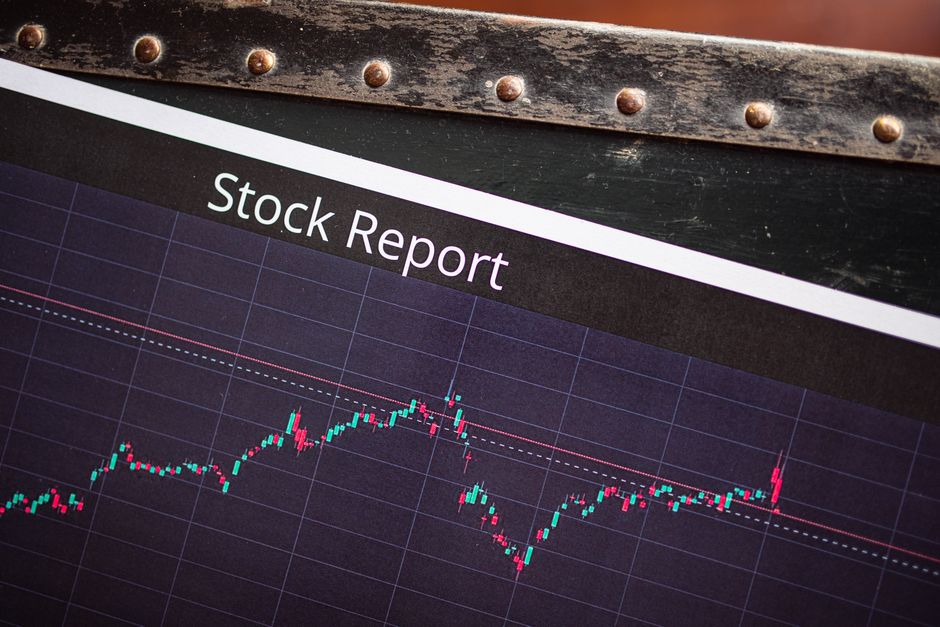
The opening range breakout serves as the primary trigger for many execution models. A breakout above the high of the five minute range is only valid if the broader context supports it. If the price is trading below the prior day high, a breakout to the upside might just be a trap. Alignment occurs when the direction of the breakout matches the direction of the daily bias. This requires checking the position of the current price relative to the prior day's range. A small sample of trades without this context leads to high failure rates during choppy sessions.
Timeframe Synchronization
Using a single timeframe creates blind spots. A 5 minute candle might show a breakout, but the 30 minute range might still be consolidating within the previous day's range. Alignment is found when the 5 minute, 15 minute, and 30 minute structures all point in the same direction. If the 60 minute range is expanding upward while the 5 minute range is breaking down, the trend is conflicted. Discrepancies between these levels indicate a lack of clear direction. The work involves mapping these levels before the cash open begins.
Mechanical Execution of Trend Alignment
Execution follows a rigid set of rules. First, identify the prior day high and low. Second, observe the opening range. Third, confirm if the breakout direction aligns with the daily context. If the price breaks the opening range high but remains below the prior day high, the setup is ignored. The session high becomes a point of interest only after the alignment is confirmed. This prevents entering trades against the established daily momentum. Consistency comes from following these mechanical steps without deviation.